
We are reader-supported. When you buy through links on our site, we may earn an affiliate commission.
Your foundation is critical in keeping your family and furniture protected. Overuse, natural elements or bad repair jobs can harm your structure. It’s essential to catch these issues right away. Here are ten signs of foundation issues and how to fix them.
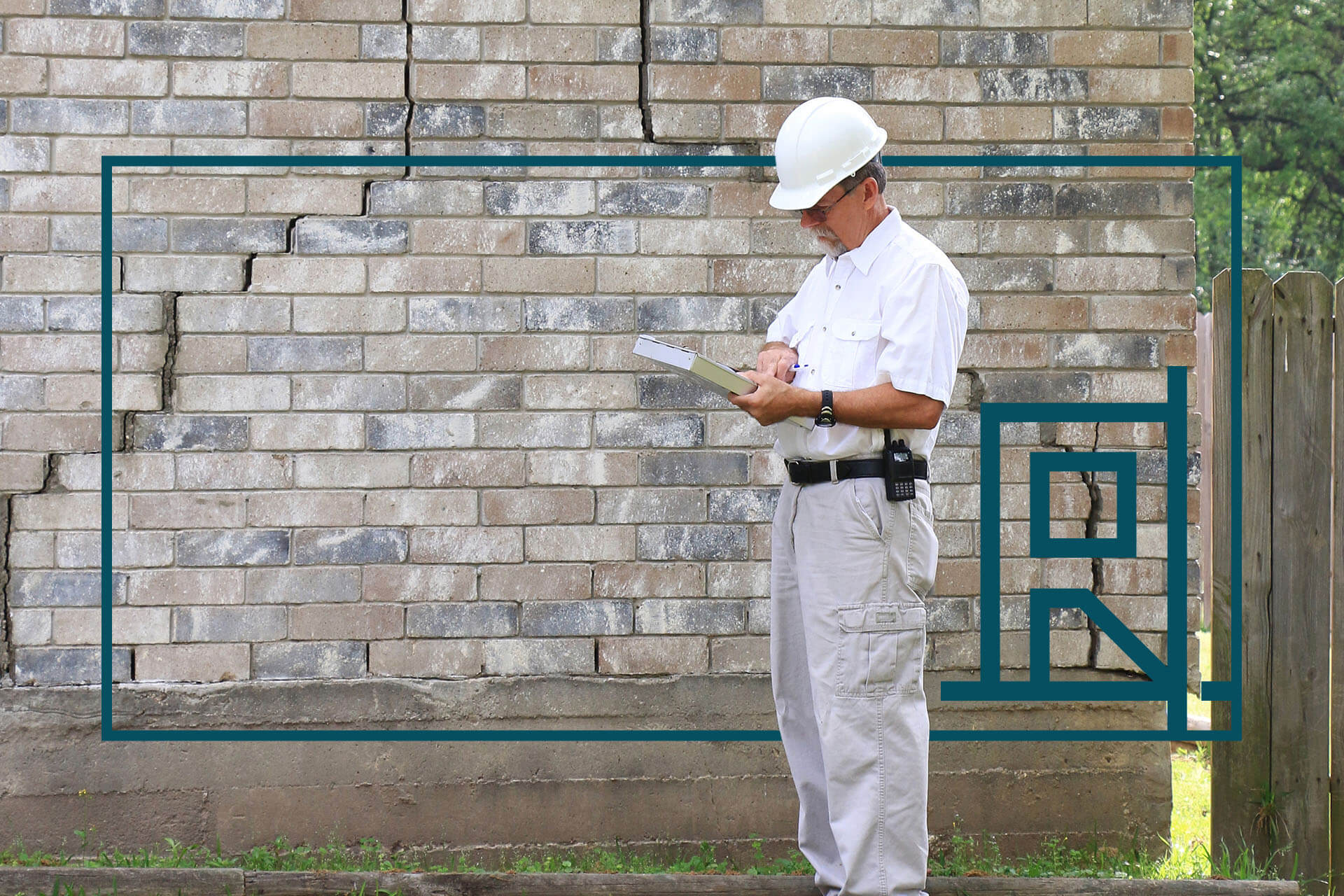
Walk around your home and look for cracks along the exterior walls. Even small ones can cause long-term issues. Settling, fluctuations in temperature or faulty drywall tapping create these problems. The direction of the scratch can tell you more about the issue’s severity.
There are three main types:
For vertical cracks, use a urethane caulk or an epoxy concrete repair kit to fill the gaps. For horizontal ones, consult a professional.
Siding can buckle or crack due to moisture or other major structural issues. It can also be caused by human error, like improper nailing. This is a foundation issue if you notice cracked siding or gaps between planks.
Warped siding is easy to detect for wooden materials. You will notice openings where the lengths of siding join. If you see the issue, the best thing to do is replace the material. Suppose you’re budget, you might be able to fix panels that are loose or too tight.
Walk around the outside of your house to check for any sinking areas. If you spot indented ground, this may be a larger issue. Drainage issues or leaks can cause sinking. Make sure you prevent stormwater from accumulating near your foundation.
Point gutters in the opposite direction, buy a rain barrel or plant a rain garden. Once you identify the holes, add more topsoil or rocks to cover them. Consider consulting a professional as well.
If your floors are bouncy, then there is an issue with support. Weak floorboards can indicate that termites damaged the structural beams. Other reasons are poor structural design, foundation settlement or moisture.
Here are a few ways to fix these issues:
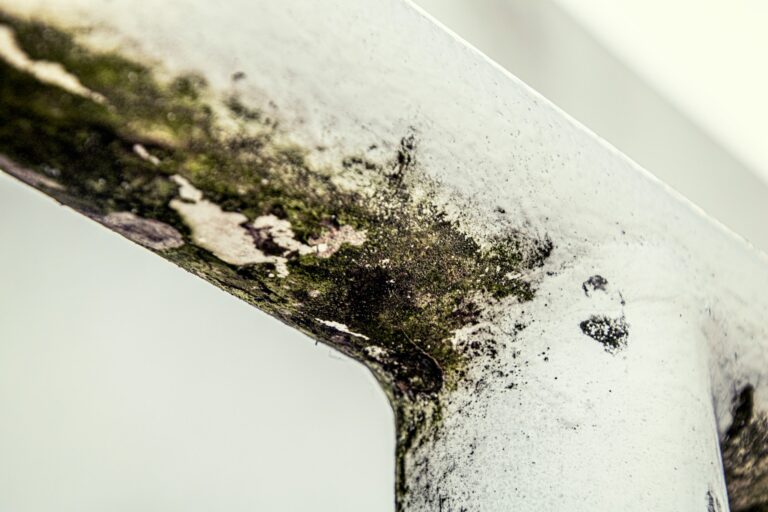
Weeds are a pain for many homeowners. Although, they can be even more of a concern if they’re near your foundation. Pay attention to if they are clustered close together. This may be asking for excess moisture. Keep in mind moisture can also lead to mold growth and structural damage. So, repair any plumbing leaks and ensure your home has proper ventilation.
Suppose you notice weeds growing from the house itself. This indicates cracks in the structure. So, remove the weeds and seal the holes. To get rid of weeds, dig them up by the root or mow them down. Before using harsh products, consider natural remedies, such as hot water.
Suppose there is humidity in the crawl space of a pier and beam. It indicates a foundation issue. Having puddles in your crawl space is not good. Although, the water vapor is what causes the rotting, molding and energy loss.
Water can enter from leaking pipes or moisture accumulation during the summer months. One way to reduce moisture is to insulate the attic. Also, use a dehumidifier and fans.
If your pipes are backed up, this may indicate foundation problems. Drainage issues often occur due to a clogged main sewer line or burst duct. Then the ground can become unbalanced, impacting your overall foundation.
If this occurs, contact a professional plumber. Keep up with regular maintenance as well. Unclog your sinks and remove hair or larger food pieces.
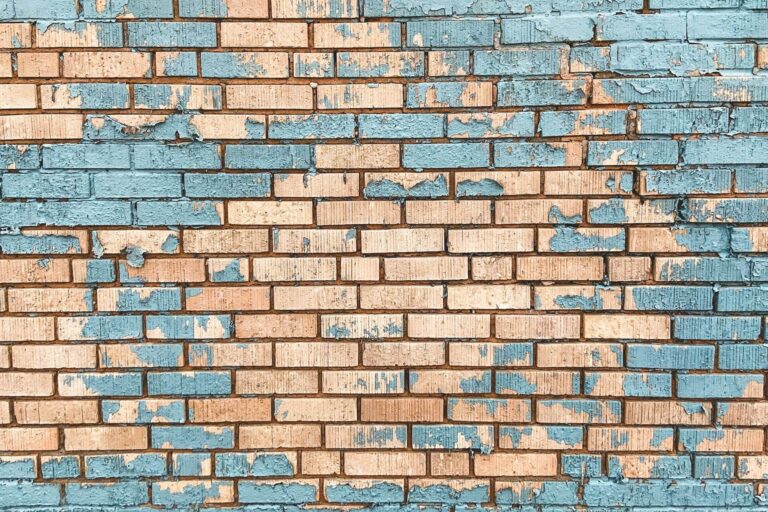
A door pulling away from the brick indicates a more pressing concern. It can be caused by thermal expansion, humidity or improper wall construction. Also, settling over time can shift the frame.
You can fill small gaps with a good mortar joint or sealant material. However, if the space is large, call a professional to fix your foundation.
Any priors or beams with rotten wood can be a sign of foundation issues. This may be caused by high humidity or a termite attack. You want to fix the problem right away to ensure your structure remains sturdy.
Remove and replace any rotting materials with new beams. Make sure you remove any exposed nails to prevent future injury.
A few nails popping out may be harmless. However, if it’s widespread, you should call a professional. Improper drywall installation, poor soil quality or natural shifts may cause the issue.
If there are only a few pops, you can repair them yourself following these steps:
Taking care of a home requires maintenance. Sometimes you can notice cracks or gaps in your walls and siding. If you do, consider consulting a professional and taking care of the problem immediately.