

We are reader-supported. When you buy through links on our site, we may earn an affiliate commission.
Severe weather events are becoming more frequent. Most people look at a storm’s aftermath and feel horror and empathy. But some unscrupulous businesses look at a storm and see only dollar signs. If you are unfortunate enough to need major repairs following a storm, understanding how the minds of storm chaser contractors work will help you anticipate and avoid their tactics.
Storm chaser contractors are businesses that travel to areas hit by severe weather events. There, they target homeowners who are in desperate need of repairs and building work, especially roofing. Often, they use deceptive tactics to pick up work.
Once hired, there may be issues with poor quality workmanship, defective repairs or unscrupulous business practices — for example, it’s not uncommon for them to take a deposit but never complete the work, or to use inferior materials that are not fit for purpose. If repairing your roof, for example, they may not know which types of roofing materials are best for your storm-prone area — and nor are they likely to care.
The scale of the storm chaser contractor problem is alarming. In 2023, for example, severe weather events caused more than $93 billion in damage — but the National Insurance Crime Bureau estimates that more than 10% of that was lost to storm chaser contractor fraud. This is not only a tragedy for the individual homeowners involved, but it also drives up insurance premiums across the board.
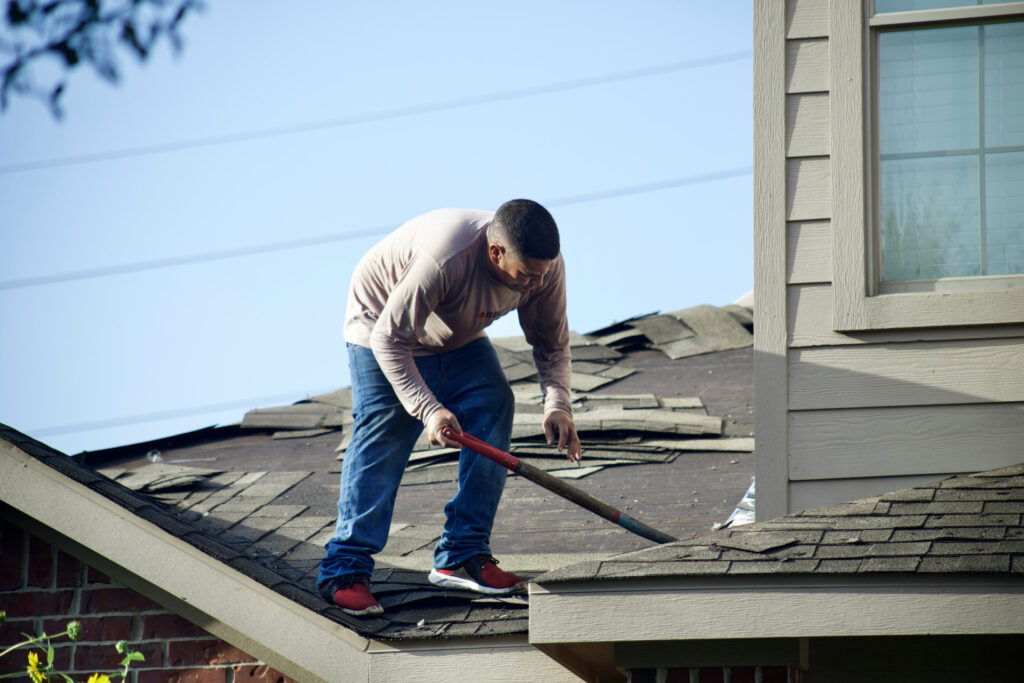
To spot a storm chaser contractor, it’s important to understand how their minds work and how their tactics and procedures differ from reputable local contractors. After all, following a natural disaster or severe weather event, trustworthy contractors will also be hard at work in your area. How can you tell the difference? Here’s a quick reference table on how storm chaser contractors work.
| Storm Chaser Contractor | Reputable Local Firm | |
| Arrives immediately after the storm | Yes, usually uninvited | Only if contacted or referred |
| High-pressure sales tactics | Common | Rare |
| Local references | Rarely available | Readily available |
| Licensing/Insurance | Often missing | Always provided |
| Upfront payment required | Large deposit or full payment | Modest deposit |
| Written contract | Vague or missing | Detailed and clear |
| Insurance fraud encouragement | Sometimes | Never |
A storm chaser contractor may contact you by phone or text or, often, face to face at your door. They are typically skilled at manipulating emotions and forcing decisions, especially when homeowners are vulnerable following a disaster. Here are the most common psychological triggers they use, why these tactics work, and how to respond.
Fraudulent contractors often claim there’s a limited window to get repairs done or to “lock in” special pricing. They may say things like, “We only have a few spots left,” or “Your insurance won’t cover this if you wait.”

Unscrupulous storm contractors may present themselves as experts, sometimes even wearing official-looking uniforms or using logos that mimic local agencies. They might say they are “approved by your insurance company,” or “working with FEMA.”
Often, storm chaser contractors will try to leverage social proof to persuade you. Social proof is the notion that if other people are doing something, you should probably be doing it too. Fraudulent contractors may tell you that “your neighbors have already signed up,” or show you a list of supposed local clients. They might even have trucks parked in the neighborhood to create the illusion of widespread takeup.
Some disaster fraud contractors use empathy, sharing personal stories or expressing concern for your family’s safety and sympathy for what you have experienced. They may offer small favors or try to quickly build a friendly relationship.
Unscrupulous storm contractors may push you for an immediate signature, discourage you from seeking other bids or warn you that “delays will cost you more.” They may say, “If you don’t sign today, the price will go up and we can’t guarantee we will have enough materials for your home.”
Recognizing how the minds of storm chaser contractors work and the psychological triggers they use will help you protect yourself. If you feel rushed, pressured or manipulated, it’s a red flag. Take a step back, verify credentials and consult trusted local resources before making any decisions.
If the worst comes to the worst and you do find yourself scammed, do not panic. Here’s what you should do:
Staying Safe After the Storm
Storm chaser contractors are a scourge, but if you know what to be alert for, you can avoid being scammed. If you are unlucky enough to have to deal with the effects of a storm or disaster, stay calm, keep your wits about you and choose your contractors wisely.