

We are reader-supported. When you buy through links on our site, we may earn an affiliate commission.
Among the selection of roofing materials, ethylene-propylene-diene monomer (EPDM) is branded as a reliable option. Discover what makes EPDM roofing unique, its pros and cons, installation process and cost.
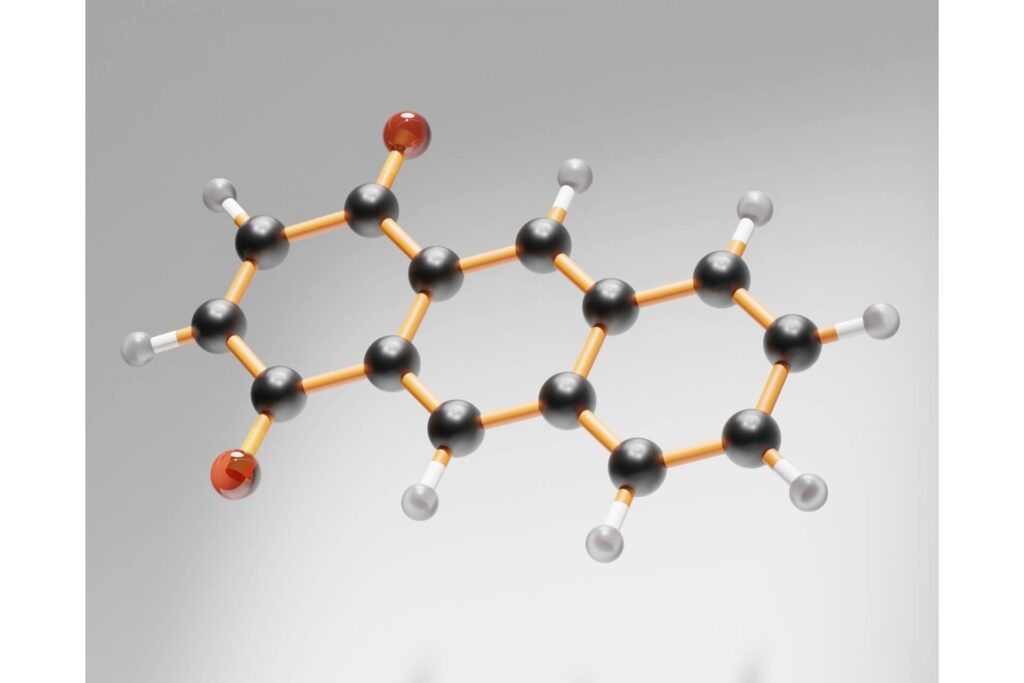
EPDM is a strong synthetic rubber that’s commonly known for providing a strong shield against water and moisture. The roofing industry classifies it as a single-ply membrane commonly used for flat roofs. However, manufacturers typically use two layers to make one, thereby eliminating imperfections.
EPDM was born in the mid-20th century when scientists developed synthetic alternatives to virgin rubber when its supply could no longer meet the demand. Researchers struck gold after experimenting with two petroleum derivatives — ethylene and propylene.
At the beginning of the manufacturing process, makers add a diene component to help these raw ingredients chemically bond and vulcanize. Monomers form polymers using catalysts during polymerization. The result is a synthetic rubber with a polymer chain that exceptionally resists weathering.
Manufacturers introduce additives to enhance the EPDM polymer’s properties during mixing and compounding. Carbon black, curing agents and antioxidants are the common complementary ingredients roofing companies use to create EPDM membranes that meet specific performance requirements.
The EPDM compound takes its final shape through extrusion or calendaring, allowing makers to mass-produce sheets with uniform physical characteristics.
The output reaches the curing phase — the final step in EPDM manufacturing. An autoclave or vulcanization press subjects the synthetic rubber to intense heat and pressure, making it durable and elastic enough for roofing applications.
EPDM rubber roofing systems are relatively easy to set up. Experienced roofers can finish the job in as little as a few days, so the process shouldn’t be super disruptive to the building’s operations.
However, project duration varies. Aside from the scale of work and weather conditions, the chosen EPDM roofing application method dictates the ease and speed of installation.
EPDM roofers can apply synthetic rubber membranes in three ways — ballasted, adhesively adhered and mechanically attached. Your preferred installation style determines your EPDM roofing system’s anatomy because each requires a unique set of supplies and tools.
Ballasted systems use the weight of coarse stone or gravel to keep the loosely laid synthetic rubber membrane in place. They’re the most economical because they need less material to pull off. The outermost ballast layer also serves as an insulator, keeping indoor sounds inside and abating outdoor noises.
Adhesively adhered systems directly glue the EPDM sheet to the substrate — a time-tested way to resist wind uplift effectively. Although they also incorporate fasteners and plates, their heavy use of adhesive creates a sleek look.
Mechanically attached systems primarily rely on hardware to secure the synthetic rubber sheet. While they need the most supplies, they suit simplistic, expansive, low-slope roofs and get the job done without costing a fortune.
No EPDM roofing installation is perfect for every situation. When choosing from the three, consider the prevalent elements threatening the property, roof design, and budget.
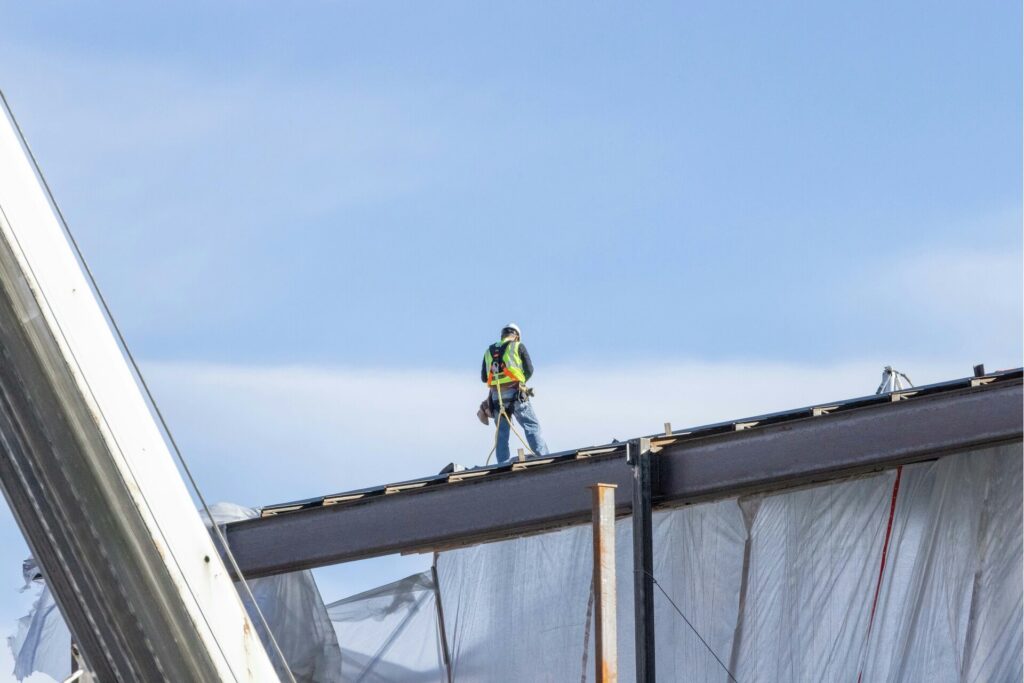
Each application method is a domain in itself. Installation experience — or inexperience — can translate into workmanship quality. An EPDM roof installer that lives and breathes one application method may be less competent to carry out another and is more likely to commit costly errors.
EPDM has been around for about 60 years because it delivers practical benefits. These advantages explain why EPDM has been a persistent roofing material.
Chemists have designed EPDM to endure the worst nature can throw at it. It can stand up to various precipitations, including snow and sleet, microorganisms and extreme temperatures. Constant exposure to ozone and ultraviolet radiation doesn’t cause it to degrade rapidly. Some synthetic rubber systems have stellar wind uplift resistance to suit hurricane-prone areas.
Discerning property administrators acknowledge EPDM roofing’s durability. Many expect the material to last for decades and confidently require suppliers to provide a 20-year total system warranty when procuring a replacement flat roof.
The dimensions of EPDM sheets prevent moisture infiltration and damage when water ponds. They can be dozens of feet wide and hundreds of feet long. Installers overlap and seal them with seam tape, adhesives or both to protect the substrate from the elements.
EPDM needs less TLC than other roofing materials. Regular inspections allow experts to spot gaps in membrane adherence and other causes for concern early, enabling them to conduct minor repairs quickly — instead of putting them off, which accelerates deterioration.
Labeling a fossil-derived roofing product sustainable is oxymoronic. However, EPDM isn’t all harmful to the environment — it may even be a net positive.
These synthetic rubber membranes last a long time and require less repair with routine maintenance, translating into less waste throughout their life spans. Their remarkable weatherability and fire resistance also promote climate resilience.
Their default black complexion brings additional cooling loads to buildings because it absorbs heat. However, their light-colored variety can reflect much of the sun’s infrared light. Some green buildings have used white EPDM to underpin their cool roofs and bag a coveted LEED Gold certification.
Once EPDM sheets reach the end of the road, roofing companies can recover and give them new leases on life, like walkway pads. Tens of millions of square feet of EPDM membrane have wound up in recycling plants, not landfills. The continuous thermo-mechanical devulcanization process has proved that recycling a homogenous rubber waste stream is easy to industrialize, conforming to the circular business model’s principles.
EPDM is older than many Gen-Xers. This material doesn’t have the novelty factor — enough time has passed to validate its perceived strengths and work on its weaknesses. That’s why EPDM membrane formulations have improved over time.
No roofing material is perfect — EPDM is no exception. The main arguments against it are as follows.
EPDM shrinks as it ages. Although shrinkage is natural in this synthetic rubber roofing solution, substandard installation, improper maintenance and bad roof design can expedite this phenomenon.
As with other rubber roofing materials like slate, EPDM membrane quality varies by manufacturer because companies less committed to excellence usually sell inferior products.
Other single-ply roofing membranes resist punctures better than EPDM. Constant foot traffic and flying debris can lead to the material’s catastrophic failure. Fortunately, thicker EPDM membranes are available to help neutralize the effects of abrasion.
EPDM rubber roofing products are either black or white, which many find bland. However, critics are overblowing their monotonous aesthetics.

Single-ply roofing membranes hardly affect curb appeal because they’re out of view from the ground. Besides, ballasted EPDM systems have a rough texture that can lend character to roofs.
Here’s a recap of the pros and cons of using EPDM roofing.
|
Pros |
Cons |
|
Can handle bad weather, extreme temperatures and radiation exposure |
Shrinks as it ages |
|
Prevents moisture infiltration and damage |
Prone to abrasions (unless you upgrade to thicker membranes) |
|
Easy to maintain |
Appearance is too simple |
|
Absorbs heat and stays recyclable for additional sustainability |
|
|
Has gone through many reformulations for maximum strength |
In 2023, EPDM membranes cost $4.25 to $13 per square foot if you’re eyeing a flat-style roof. If you want to get shingles, the cost climbs to at least $5.50 to $15. These prices make them the most budget-friendly synthetic rubber roofing option nationwide.
Regarding labor, ballasted systems were the most affordable — installers charged only $1.80 to $2.50 per square foot. The application of mechanically attached and adhesively adhered systems costs $2 to $3 and $2.50 to $3.50, respectively.
These figures exclude the cost of other supplies, so the actual installation cost was higher than what these numbers suggest.
EPDM roofing constantly evolves and keeps up with the times. Bookmark this post to learn about the latest on this material when new information becomes available.
Note: This article was first published on November 5 , 2024, and was revised on June 30, 2026 to reflect the most current information.