
We are reader-supported. When you buy through links on our site, we may earn an affiliate commission.
Whether you enjoy gardening as a weekend hobby or are a committed horticulture enthusiast, a do-it-yourself (DIY) greenhouse is one of the most transformative upgrades you can make to your gardening setup. The setting allows you to grow an extensive variety of plants, which extends your growing season and gives you more control over the environmental factors that influence the plant’s health. The best part of it is that it’s cost-effective and the rewards are worth more than the set up price.
In this article, you will learn about greenhouses, the benefits of building one, what to consider before starting the project, and how to tailor the structure to meet your gardening goals. With the right plan, materials, and mindset, you’ll be harvesting fresh herbs in Winter, starting seeds early in spring, or cultivating exotic plants in your backyard.
A greenhouse is a structure that’s usually made with translucent or transparent walls and a roof. The structure is designed to create a controlled environment for growing plants and capture sunlight to trap heat inside for a regulated and controlled temperature. The controlled temperature offers a mini climate for plants to consistently grow without facing the consequences of harsh environments. The greenhouse is especially effective for exotic plants that can’t survive in the outside weather conditions.
In addition to growing plants, burning fossil fuels creates carbon dioxide, so greenhouses are effective in producing goods that are partially unaffected by the Earth’s atmosphere. Greenhouses are available in many sizes, from as small as a walk-in closet to as big as a garage. Whether you’re growing tomatoes in winter or starting seedlings earlier than the weather permits. A greenhouse gives you more control over the environment, more harvest and higher satisfaction.
Before investing in greenhouse materials, it’s beneficial to understand how the greenhouse can enhance your gardening experience and practice. A DIY greenhouse allows you to:
A greenhouse project first requires commitment and thorough planning to prevent foreseeable issues and ensure it meets your needs.
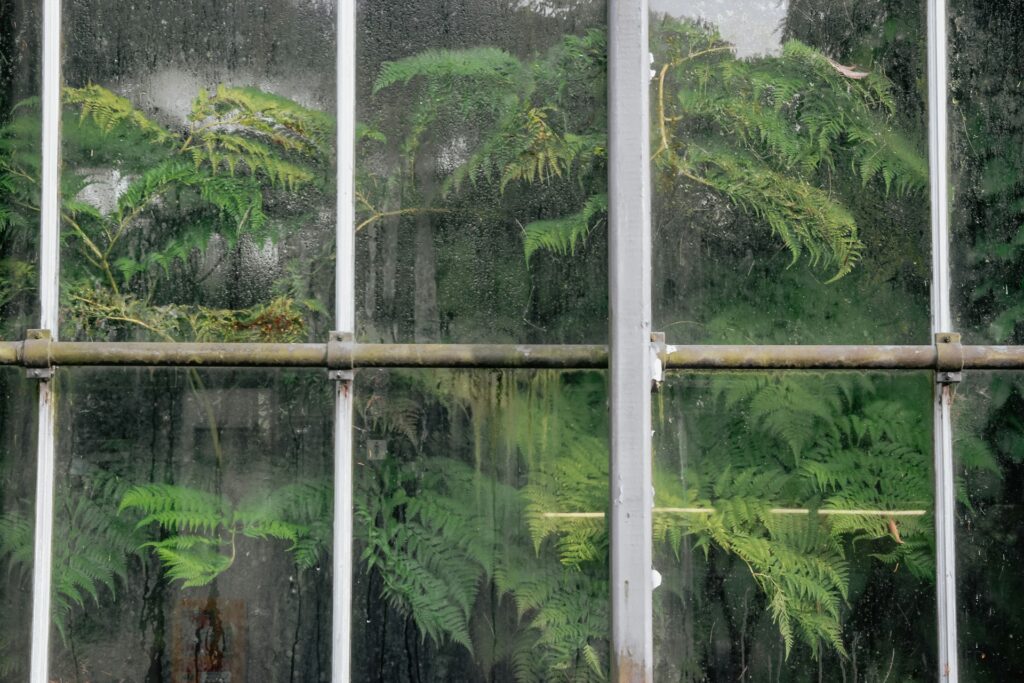
Your structure is crucial because you need to meet specific plant goals for growth and operational efficiency. A well-equipped structure will control weather conditions and pest management.
The most common greenhouse frame types are steel, wood, PVC, and aluminum. Steel is sturdy but may require welding. Wood provides a rustic feel and offers good insulation but needs treatment against pests. PVC is ideal because it’s cost-effective and works for smaller or temporary greenhouses.
Polyethylene film is cost-effective for coverings but may require regular replacements. Glass is another good option because it’s visually appealing and lasts longer, but it’s expensive and heavier, so use glass if you’re looking for a more permanent structure.
For optimum space, use vertical shelving and adjustable shelves to adapt your setup for seasonal changes. Growing vegetables vertically also prevents insect infestation and fungal disease. Monitor the conditions with thermometers and hygrometers for consistent temperature. To ensure you don’t have a flood of water, use raised beds or benches for better drainage and add pathways between rows for easier movement, especially in growing containers.
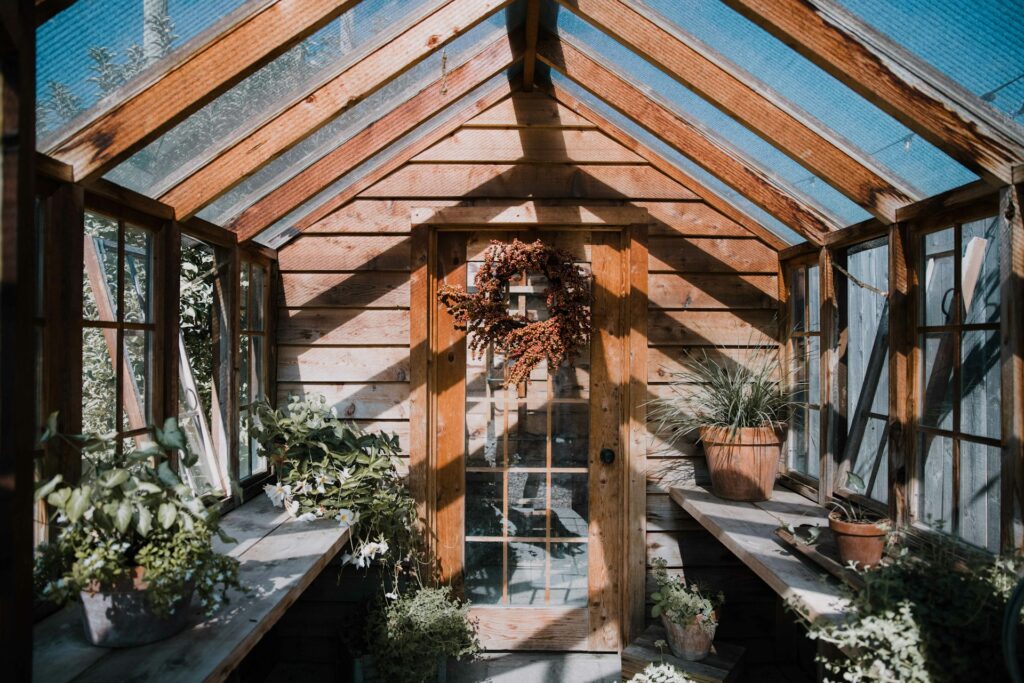
A DIY greenhouse is a breathing extension of your passion for plants. Building a structure that houses your passion ensures the plants have a safe and stable environment to grow. Doing it yourself gives you the opportunity to experiment, learn, and grow while you enjoy the beauty of nature, regardless of the weather conditions. Whether you’re growing fresh vegetables or nurturing exotic plants, the greenhouse gives you the freedom, control and deeper connection to ensure your garden’s success.